
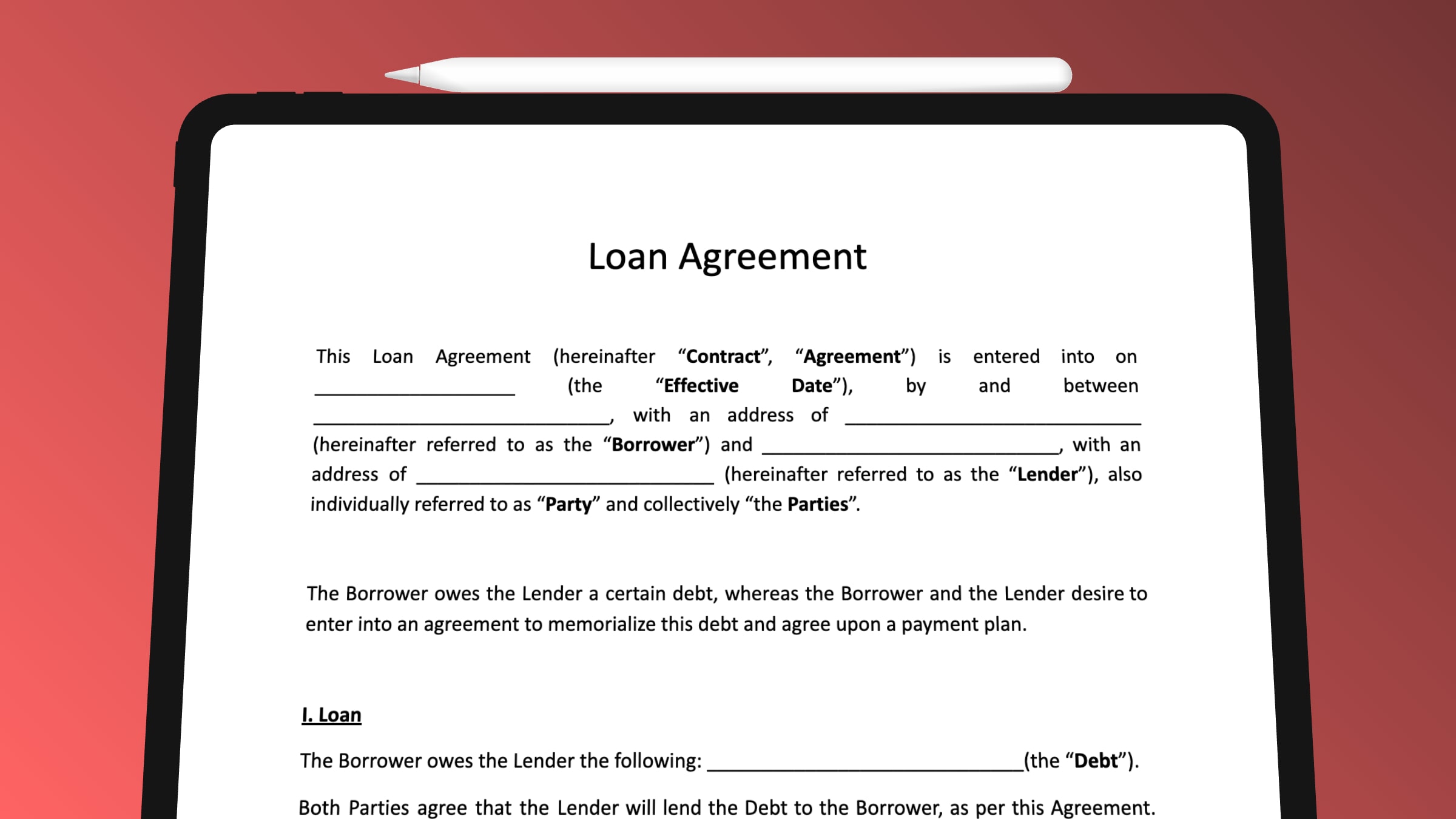
Despite the fact that your employer might require you to sign a noncompete contract, there are lots of circumstances when it might not be enforceable.
A Texas judge late last month overruled an across the country ban on noncompete agreements that was meant to take effect this Wednesday.
Existing noncompete contracts will therefore now remain in place. And employers may still ask you to authorize one as a condition of employment. That is, unless and up until a greater court makes a decision or else, or Congress passes a legislation banning it. Yet, if that does take place, it might take years.
In the meantime, if you’re functioning under a noncompete agreement – or are taking into consideration signing one – below’s what you require to know and do, due to the fact that sometimes the contract may not be enforceable.
1. Understand what your noncompete needs
Normally speaking, noncompetes prohibit you from working for your employer’s rivals within a provided geographic distance for a provided period of time.At site new jersey non-competition agreement step-by-step walkthrough from Our Articles For example, you may be banned from working for a competitor within 50 miles of your current work for a year after leaving.
So, recognize exactly how you will be constrained when you leave your present task – whether you quit, obtain laid off or are fired for cause – and what, if anything, you are getting in exchange for authorizing away your right to function where you desire.
Additionally recognize how the area of rivals is specified, since the agreement might preclude you from operating at a company within a given range not just from your very own work site, however also that of your company’s satellite areas.
‚Read your arrangement. You would certainly be surprised the number of individuals don’t,‘ said Michael Fiffik, taking care of partner of Pennsylvania-based Fiffik Regulation Group PC. His law firm likewise supplies services via LegalShield, which links individuals with legal representatives in their state to encourage them on their noncompete contracts and other matters at little to on the house when they register for a monthly strategy that sets you back just under $30 and can be canceled any time.
Likewise, when considering whether to authorize a noncompete, ‚consider it in the context of your occupation path,‘ Fiffik recommended. By that he means if it’s regular in your type of work to go up by going on every couple of years, signing a noncompete may be problematic.
And, generally, everybody needs to assess the documents they authorized when they took their task, since they might not even know they authorized one, claimed Donna Ballman, an employee-side work regulation attorney in Florida and author of ‚Stand Up For Yourself Without Getting Terminated.‘
‚Some (noncompete stipulations) are camouflaged as a ‚privacy agreement‘ or ‚incentive contract,‘ and even (might show up) in job applications. Most people authorize that large stack of documentation they access the beginning of their employment without reading it carefully,‘ Ballman wrote in an email to CNN.
2. Learn if your state restricts noncompetes
The state where you’re functioning might impose restrictions or straight-out bans, which might make your noncompete void. Start by examining online with your state’s labor division and the state’s chief law officer. This interactive map, from the Economic Innovation Team, likewise supplies a quick review of existing state limitations and restrictions.
As an example, in California, 2 brand-new regulations entered into effect reiterating and making plain what has been true considering that the 1800s: Noncompetes are, with few exemptions, illegal and void, according to Robert Ottinger, creator of Ottinger Work Lawyers.
That includes any person in The golden state that is used by a business headquartered somewhere else or whose work is transferred to The golden state. ‚The minute you enter California, [the noncompete agreement] evaporates,‘ Ottinger claimed, even if it claims it undergoes the laws of another state.
In New York, many arrangements are unenforceable since they don’t meet the multipart examination the state needs of such agreements to be valid, including not enforcing undue hardship on an employee. In Ottinger’s experience, ‚there’s a 90% or greater chance of it being void. If you take it before a judge, the court will not enforce it,‘ he claimed. That is particularly the situation for low- and mid-level employees, he added. ‚We have actually had pet dog pedestrians and sandwich makers subject to them. We win almost every time.‘
By comparison, many various other states enforce far less restrictions. And some, like Kansas and South Carolina, impose none at all, according to the Economic Technology Team.
3. Also lacking state limitations, antitrust legislations still apply
Even where employees are least protected by state law, you still might have recourse if you feel your noncompete agreement is outright.
‚Federal and state antitrust regulation still applies, so it’s still illegal to have a noncompete agreement for the purpose of avoiding competitors. Companies need to have a reputable rate of interest to shield, such as safeguarding confidential information or trade secrets, customer goodwill, amazing or customized training the company supplied, or unique connections with customers created as a result of the employment,‘ Ballman said.
And the Federal Trade Compensation, which created the now struck-down guideline prohibiting noncompetes, notes that it is not prevented from ‚resolving noncompetes via case-by-case enforcement activities.‘
Ballman stated that there are some defenses against a noncompete that many states will recognize. ‚These consist of where the employer breaches the contract first, where there is no legitimate rate of interest to shield besides avoiding competitors, where the length of time or the range is overbroad, or where public health or security would certainly not be offered.‘
And there may be various other means to prove your noncompete is invalid, particularly when the employer shows that it is meant to protect confidential information. For instance, Ballman claimed, ‚lots of employers do not in fact take measures to safeguard that so-called confidential information. If it gets on the website, if they enable some workers to complete but not others, if they extol clients on social networks, then there’s a fantastic debate that the details isn’t personal after all.‘
All that claimed, ‚there’s no magic wand to leave these,‘ she added. So, recognizing what you’re entering before signing anything and consulting with a well-informed employee-side employment lawyer in your state might save you a lot of time and anxiety when you do ultimately proceed to a new job.