
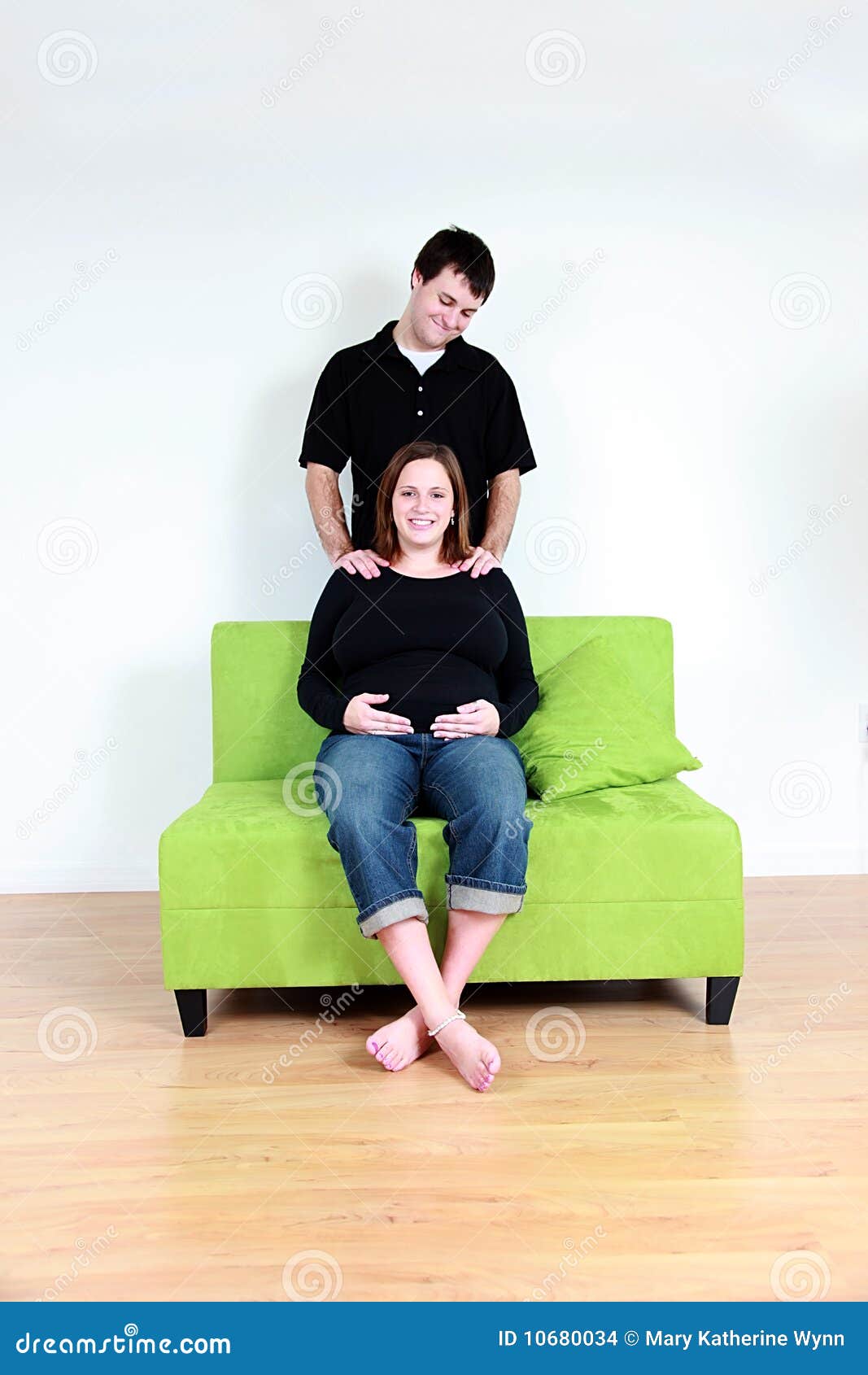
Maternity is a time of immense modification, both physically and psychologically. As the body adapts to sustain an expanding child, many expecting mothers experience pain, muscle tension, and stress. Prenatal massage provides a natural, risk-free method to ease these challenges while advertising overall health. In this blog, we’ll check out the safety of prenatal massage therapy, its benefits, the most effective time to get one, and what strategies are utilized to sustain mothers-to-be throughout their maternity journey.
Advantages of Prenatal Massage Therapy
Prenatal massage therapy provides numerous benefits for both mom and baby. A few of the key advantages include:
- Reduced Muscle Tension and Discomfort: Alleviates typical pregnancy-related discomforts such as back pain, sciatic nerve pain, and leg aches.
- Boosted Circulation: Enhances blood circulation, reducing swelling in the legs and feet.
- Hormonal Balance: Researches suggest that massage therapy lowers tension hormones like cortisol while increasing feel-good hormonal agents such as serotonin and dopamine.
- Much Better Rest Quality: Promotes relaxation, bring about much deeper and much more relaxed sleep.
- Anxiety and Stress And Anxiety Reduction: Helps tranquil the nerve system and reduce prenatal anxiety, profiting both mother and infant.
- Enhanced Flexibility and Wheelchair: Alleviates joint pressure brought on by weight gain and postural adjustments.
Normal prenatal massage sessions can considerably improve a mom’s physical and emotional health while pregnant.
Is Massage Therapy During Pregnancy Safe?
Prenatal massage is normally secure when performed by a trained massage therapy specialist knowledgeable about pregnancy-specific strategies. Nevertheless, particular preventative measures must be considered to make sure the security of both the mom and baby. Some specialists advise care in the first trimester, as this is the most sensitive phase of pregnancy. While there is no definitive proof linking massage therapy to problems, many specialists recommend waiting until the second trimester prior to starting routine sessions.
For females with risky pregnancies, including those with preeclampsia, gestational diabetes mellitus, or a history of preterm work, getting in touch with a doctor before receiving massage treatment is necessary. In these situations, additional precautions may be required to guarantee security.Read about https://best-massage-valencia.com/prenatal-massage/ At website As maternity advances, resting on the stomach comes to be awkward and possibly harmful. To resolve this, massage therapy therapists use specialized cushions or side-lying positioning to maintain the body sustained while relieving stress on the abdomen.
When carried out with these precaution in position, prenatal massage therapy is a valuable therapy that can aid expecting moms manage discomfort and promote general health.
Techniques Used in Prenatal Massage Therapy
Prenatal massage specialists utilize specialized strategies to ensure convenience and safety for anticipating moms. Some usual techniques include:
- Swedish Massage therapy: A mild method that enhances flow, reduces swelling, and advertises leisure.
- Side-Lying Positioning: Considering that existing level on the back can be unpleasant in later maternity stages, therapists setting clients on their side with assistance cushions for optimum comfort.
- Light to Modest Stress: Deep cells massage is generally prevented, particularly on locations prone to tension, such as the lower back. Instead, gentle stress is used to soothe discomfort.
- Lymphatic Drainage Massage: Helps reduce swelling in the legs and feet by boosting lymphatic fluid activity.
- Breathing-Focused Strategies: Some therapists integrate assisted breathing workouts to improve leisure and oxygen circulation.
These methods guarantee that prenatal massage is both efficient and safe for expectant ladies.
Starting Prenatal Massage Therapy: Which Trimester Is Best?
Expecting ladies can benefit from massage throughout all phases of maternity, yet the method might vary depending on the trimester:
- First Trimester (Weeks 1-12): While massage is typically secure, some companies favor to wait until the 2nd trimester because of the sensitivity of early pregnancy.
- 2nd Trimester (Weeks 13-27): This is typically the most comfy time for massage therapy, as morning illness has a tendency to go away, and the expanding stubborn belly is not yet as well difficult.
- Third Trimester (Weeks 28-40): Massage therapy aids ease swelling, back pain, and stress as the body prepares for work. Side-lying placing makes certain convenience and security.
Eventually, the very best trimester for a prenatal massage therapy relies on specific requirements and convenience levels, however a lot of females find the 2nd and third trimesters particularly helpful.
Pregnancy-Related Swelling: Just How Massage Aids
Massage therapy is extremely reliable in lowering pregnancy-related swelling, generally known as edema. Swelling is a frequent concern due to enhanced blood volume and liquid retention, specifically in the legs, feet, and hands. Mild massage techniques urge lymphatic drain, aiding to relocate excess fluids out of puffy areas and improve total flow. By raising blood circulation, massage therapy lowers fluid build-up while advertising oxygen and nutrient delivery to tissues.
As the uterus increases, it can put pressure on blood vessels and joints, which may contribute to swelling and discomfort. Massage treatment helps ease this stress by boosting circulation and alleviating tension in affected areas. While massage can be a helpful device for managing pregnancy-related swelling, added methods such as staying moisturized, boosting the legs, and taking part in light motion can better sustain blood circulation. If swelling shows up all of a sudden or becomes extreme, it is essential to consult a healthcare provider to rule out hidden problems such as preeclampsia.
Tailoring Prenatal Massage Techniques to Private Requirements
Prenatal massage is specifically adjusted to fit the distinct physical and hormonal changes of pregnancy. The techniques are carefully adjusted to make certain safety and security and effectiveness.
- Customized Positioning: As opposed to lying level on the back or tummy, anticipating mothers are placed on their side with helpful pillows for convenience and security. Some therapists may make use of specially developed tables with stubborn belly cutouts, but side-lying positioning is generally the chosen and most safe choice.
- Gentle and Targeted Pressure: Light to modest stress is used instead of deep cells techniques, as maternity boosts muscle level of sensitivity and circulation. Specific areas, such as the lower back and legs, require specific methods to prevent too much strain or stress on capillary.
- Concentrate On Pregnancy-Specific Tension Locations: The reduced back, hips, shoulders, and legs frequently experience pain during pregnancy. Massage therapy specialists concentrate on these locations to give alleviation while preventing pressure factors that can possibly stimulate contractions.
- Customized Therapy Plans: Each session is customized to the individual’s requirements, whether it’s reducing swelling, reducing neck and back pain, or promoting relaxation. Therapists think about pregnancy stage, health problems, and discomfort tolerance when creating the massage therapy plan.
By personalizing methods to every female’s needs, prenatal massage therapy offers a safe and reliable means to alleviate pain throughout maternity.
Exactly how Often Should You Obtain a Massage Therapy During Pregnancy?
The regularity of prenatal massage therapy depends upon a person’s demands, degree of discomfort, and any pregnancy-related signs and symptoms. In the very first trimester, some ladies choose to have periodic massage sessions every three to four weeks if authorized by their doctor. These sessions can help with stress and anxiety relief and relaxation during the early stages of pregnancy.
By the 2nd trimester, as the body goes through extra considerable adjustments, biweekly or monthly massage therapies may be beneficial in taking care of neck and back pain, muscle mass stress, and postural strain. Several females locate this phase to be one of the most comfortable time for massage, as morning sickness has actually typically diminished, and the child bump is not yet also huge.
In the 3rd trimester, as the body experiences higher pain, swelling, and preparation for labour, regular or twice monthly massage sessions can help minimize discomfort, decrease stress, and enhance flow. The added weight and changes in stance can create stress on the lower back, hips, and legs, making frequent massage sessions especially useful throughout this phase. Ladies with high-risk pregnancies or underlying health and wellness conditions need to always seek clinical suggestions before organizing normal massage therapy.
Prenatal Massage Therapy Procedure: What to Anticipate
For those experiencing a prenatal massage for the first time, understanding what to anticipate can aid alleviate any kind of uncertainty. A normal session consists of:
- Initial Appointment: The massage specialist will evaluate your case history, talk about maternity signs, and determine any type of areas of pain. If you have a high-risk pregnancy, you may require clinical clearance before receiving a massage therapy.
- Comfortable Positioning: You’ll be placed in your corner with supportive pillows for maximum comfort and security. Some specialists might supply a lying setting to decrease stress on the abdomen.
- Mild and Concentrated Massage: The therapist will utilize long, soothing strokes to ease muscle mass tension and promote leisure. Swollen areas, such as the legs, might obtain lymphatic drainage techniques to enhance flow, and special focus is offered to the reduced back, shoulders, and hips, which birth additional weight while pregnant.
- Post-Massage Support: After the session, the specialist might recommend hydration, mild extending, or breathing methods to boost the massage therapy’s benefits. Given that relaxation can occasionally cause lightheadedness, you’ll be advised to stand up slowly.
Prenatal massage therapies are created to be loosening up and comfortable. If anything really feels awkward during the session, it is very important to communicate with the therapist so adjustments can be made to pressure or positioning.
Postpartum Recovery: The Duty of Massage Treatment
Massage treatment is very beneficial for postpartum healing, giving physical and emotional support as new moms adapt to life after childbirth. Labour and delivery can put significant strain on the back, hips, and shoulders, particularly for mommies who are nursing or carrying their newborn often. Massage therapy helps relieve postural stress and muscle discomfort, permitting the body to straighten and recover extra successfully.
Swelling that continues after giving birth due to liquid retention can additionally be lowered with massage, as lymphatic drain methods motivate the body to eliminate excess liquids. In addition, massage therapy has been revealed to promote hormone equilibrium by decreasing anxiety hormones such as cortisol while boosting oxytocin degrees. This hormone shift can boost mood, assistance psychological well-being, and minimize the danger of postpartum depression.
For mothers recuperating from childbirth, mild massage techniques can likewise aid with pelvic realignment and muscle mass leisure, specifically after the physical needs of work. In addition, postpartum massage therapy can boost rest top quality, which is often interrupted in the early months of looking after a newborn.
Ladies recuperating from a C-section should come close to postpartum massage with caution and consult their doctor before starting therapy. It is normally recommended to wait up until the laceration is totally recovered prior to including massage treatment into the healing plan. With proper assistance, massage therapy can be a reliable device in helping brand-new mothers recuperate, reclaim their strength, and sustain their overall health.